
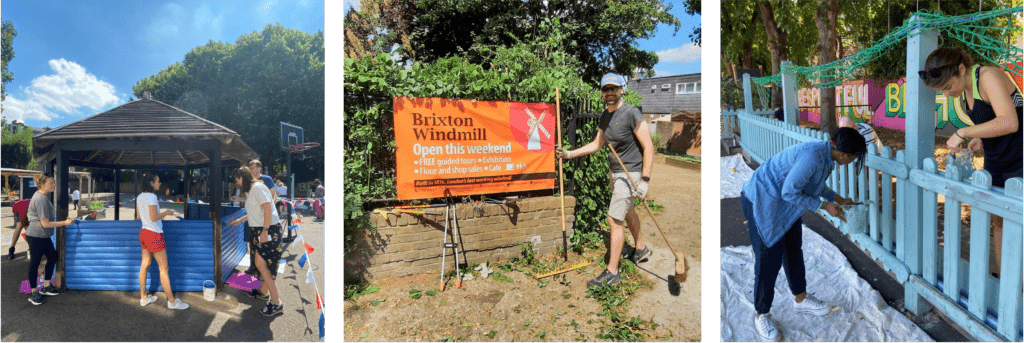
At Moorhouse, we come together as a firm every quarter for our all-company Escapes. Our recent Summer Escape was a little different as we dedicated the day to Sustainability and Social Value for the first time.
This is an important theme for us, both in the way we operate as a responsible business, but also in helping our clients to transform their businesses to become more sustainable.
To help generate engagement and excitement in the run up to the day, our Head of Sustainability, Richard Waters, led the #MoorhouseSustainability campaign which asked our people to reflect on their lifestyles and share examples of good and bad practice to help us collectively improve our sustainability knowledge.
The result was a week full of inspiring posts, discussion, and ideas which we can all use in our day-to-day lives to make a positive impact. Topics ranged from sustainable transport to personal finance and biodiversity. One recurring theme from colleagues was waste reduction and the circular economy. This is an alternative model to the linear economy (‘take-make-dispose’) and ensures products and materials last as long as possible by maximising sharing, reuse, repair, refurbishment, and recycling. As consumers, this is something we can control through the choices we make every day about which products and services we buy. By supporting the circular economy, we can quickly make a real impact as individuals without compromising on the quality of our lifestyles.
We thought it would be helpful to compile and share these ideas more widely, so here is a summary of some amazing examples from our people:
- Second hand fashion: Dain made a commitment to buy less new clothing, shoes, and accessories by making shopping second hand her first port of call. She finds affordable and high-quality items at local charity shops or online on Depop, Vinted, Etsy, eBay, or others. Valentina highlighted that Vivo Barefoot even collect pre-loved products for resale to ensure they don’t end up in landfill.
- Food waste: Richard always opts for ‘wonky’ fruit and vegetables in the supermarket by buying ‘Imperfectly Tasty’, while I get a regular delivery from ‘Oddbox’ who rescue produce which would otherwise go to waste. El showed us some fantastic app like Too Good to Go, Karma, and Olio where you can find discount meals from restaurants that have leftovers at the end of a service.
- Parenting: Amelia halves her weekly rubbish by swapping disposable nappies for reusable ones. Many local councils can even help with vouchers towards your first purchase. Rachel has started using initiatives like ‘thelittleloop’ to swap children’s clothes as they grow out of them so quickly, saving waste and money. Rebecca showcased bio-toys as a great alternative to throwaway plastic toys, while also great for educating kids about the environment.
- Toiletries & cleaning products: Liv, Lisa and Kate have been swapping out brands at home to reduce plastic from household products. Try Smol or EcoVibe for plastic-free or biodegradable cleaning products, beeswax wraps for the kitchen, and Gruum for their plastic-free hair and skincare ranges. The Cheeky Panda made from bamboo offers an eco-friendly option for loo roll.
- Waste water: Ellie keeps a water butt by her kitchen sink to store waste water, e.g. from washing fruit and veg, to be reused for watering plants or rinsing plates before going in the dishwasher. Marc has got himself a sparkling water machine and which can cut your household plastic bottle consumption by up to 1,282 bottles per year and avoid the supply chain emissions associated with bottled water.
- Reusables: we are all guilty of storing reusable water bottles, coffee cups, and tote bags at home so make sure to always have the essentials with you when on-the-go like Ed and Joe to avoid the need for single-use items. You could even get a discount on your purchase! Lauren reminded us many high streets now also have refill shops like Jarr Market where you can stock up on store cupboard essentials without the unnecessary packaging.
- DIY: Jason has started sourcing pre-used materials wherever possible for his home DIY and building projects to reduce his footprint. Reclaimed timber is a great way to reduce cost, while old coffee tins work well for storage.
Get in touch with RichardWaters@moorconsulting.com or HettyGarnier@moorhouseconsulting.com from our Sustainability team if you would like to hear more, or find out how Moorhouse can support your business to become more sustainable by making an impact with employees.
About the author: Hetty Garnier
Hetty is a member of our Sustainability team and has supported the development of our service offering to help our clients to transform their businesses to become more sustainable. She has a background in waste management and has extensive experience delivering projects with sustainable outcomes while at Moorhouse.