The UK is facing one of the biggest cost of living crises in decades with 92% of households reporting increases to their usual spending on everyday living1.
In addition, the amount of people across the UK in vulnerable circumstances is skyrocketing, and the number of individuals that now need help for the first time indicates that more people are falling into hardship and those that were already seeking help are now falling deeper into hardship2.
According to a recent Citizens Advice report, energy and energy debt were amongst the top five concerns for households in 20233. There are a record number of households falling into fuel poverty standing at 7.39 million households which, in the UK, is defined as spending more than 10% of household income on energy costs4. This leaves many to choose between “heat or eat,” where people must choose between whether to heat their homes or feed themselves but can’t afford to do both.
Increased vulnerability, combined with increased costs and debt, paints a bleak picture on the current state of living for many individuals and households in the UK.
In response to the latest Energy Price Cap announcement, StepChange Debt Charity said the drop (£159 difference) would do little to alleviate pressure on households, with over 55% of new clients behind on their dual fuel bills5.

How bad is it though? Well, when focusing on the Energy sector specifically:
- Energy debt is now more common than credit card debt with Citizens Advice helping more people with energy debt in August 2023.
- The number of people that needed help with energy concerns this year is more than the whole of 2019 and 2020 combined.
- The number of people being helped with weekly emergency fuel vouchers stands at over 1,465 people per week supported as of August 2023.
- More people are requesting and receiving advice on how to make their homes more energy efficient to help reduce their bills. As of May 2023, there was a 25% increase in people seeking energy efficiency advice compared to May 2022.
-
There is a greater focus on prepayment meters since the enforced hiatus by Ofgem earlier in the year due to energy suppliers undergoing market compliance reviews. As of August 2023, 67% more people can’t afford to top up their prepayment meters than at this point last year6.
Is the UK accurately identifying vulnerability and ensuring those who need support are able to make well-informed decisions?
There is a duty of care obligation from a societal perspective and on suppliers to ensure fairness, inclusivity, and equality for all groups, and it is important to be able to identify when someone may be vulnerable, particularly as vulnerability can be transient and may not always be visible.
The question is how can organisations offer the best possible customer care whilst remaining compliant, competitive, and successful?
What are we seeing across the industry?

When focusing on vulnerability, the main issue Moorhouse sees within organisations is that more can be done to ensure customer facing teams are appropriately prepared to deal with all customer groups.
Below are a handful of areas we recommend that employees should be trained up on, using energy specific examples:
- Appropriate training within teams to have the right level of awareness to identify complex vulnerability cues better. This also includes additional training for specialist teams and staff and applies to any third party or outsourced teams that represents these organisations on vulnerability.
For example, using power (or ‘soft’) skills raining to increase empathy within teams can enable employees to identify potential signs of vulnerability more easily with customers, such as listening out for shouting or crying babies in the background of a call. This can also include training teams to understand data from AI that produces trends and insights that can help them to identify customer patterns.
- Having the right knowledge on alternative products and services that may be more appropriate and signposting to external organisations.
For example, being able to identify when a product or service may not be suitable for a customer such as a smart meter based on a disability. This also includes supporting employees in instances whereby they may identify a vulnerable customer and wish to log them in their systems, however they may not be able to take appropriate action around vulnerability if the customer does not consent to being added to the Priority Services Register. In instances like this, customers can be signposted to external support where they can be encouraged to access energy supplier support or grants through energy trusts.
- Making conversations with vulnerable customers as helpful and supportive as possible via a range of communication channels that accommodate all customer requirements. This includes field-based interactions, emails, texts and even chatbots.
 For example, a vulnerable customer impacted by mental health may prefer an online forum rather than picking up the phone, especially around sensitive topics such as energy payment options or discounts. This includes communication which may take place in customer homes when providing a service. Having a range of channels available is critical and employees should be trained on the various channels. It is also important to identify how these channels can be improved to capture the right information to support identification and correct treatment for customers.
There are many other areas that organisations are under pressure to get right such as legal requirements around vulnerability to adhere to set by regulators as mentioned above.
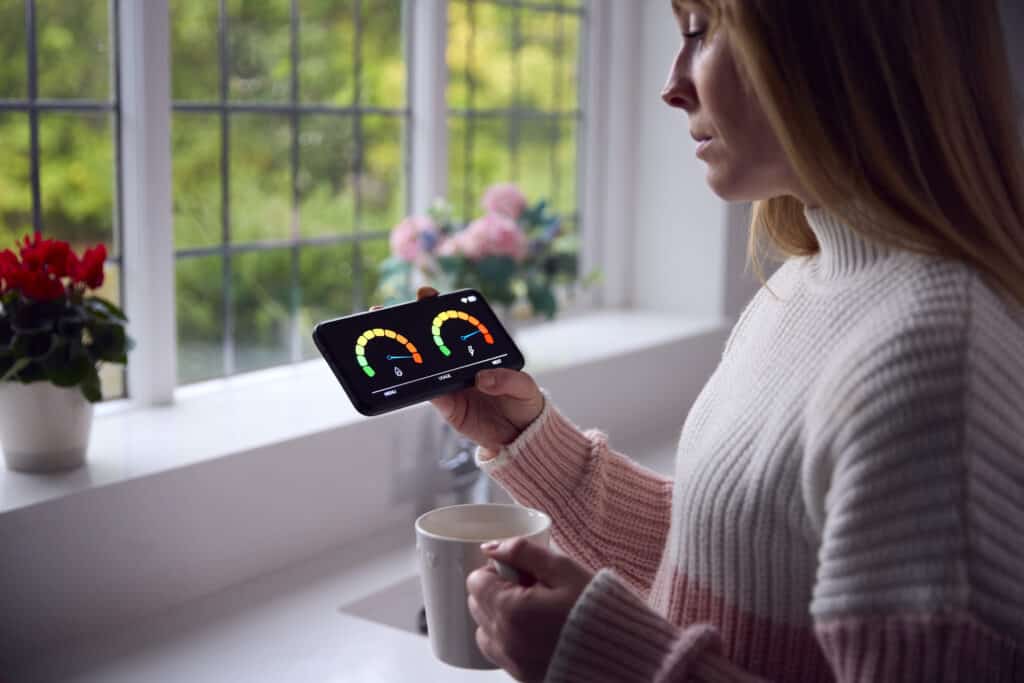
Do you feel like your organisation is doing enough to understand, support and address these challenges?
- What are the impacts of the current challenges facing the UK on your customer service teams?
- How are you highlighting to your customers that you are available to support them and the services available?
- How will you assess whether your customer facing teams are equipped and upskilled to handle customer groups?
- How can the use of data and AI enable you to identify and capture vulnerable customers?
- Are you meeting the legal requirements set by regulators on vulnerability and what are you doing to ensure you abide by GDPR requirements and consumer consent?
At Moorhouse, we have worked with organisations across the Energy & Utilities industry helping them to overcome the pressures placed on them because of the energy and cost of living crisis. This ranges from regulatory and policy support, through to organisational change and employee upskilling.
Get in touch to find out how we can help your organisation.