
Energy suppliers have faced negative headlines in recent months due to forced prepayment (PPM) meter installations, leaving vulnerable people and families without light and heating. Does this turbulence point to a wider disconnect between providers and customers?
In efforts to support debt management post-COVID-19, energy companies across the UK have increasingly leveraged PPMs for managing debt, as consumers struggle to keep up with bills. If a customer fails or forgets to top up the meter, they are deemed to have ‘self-disconnected’ and the supply is cut off.
Ofgem figures in 2020 showed that one in seven PPM customers in the UK were cut off from supply, with half of those experiencing negative impacts such as a cold house or financial distress1. As a result, many impacted customers are compelled to ‘self-ration’ their use of fuel, leading to so-called ‘eat or heat’ choices.
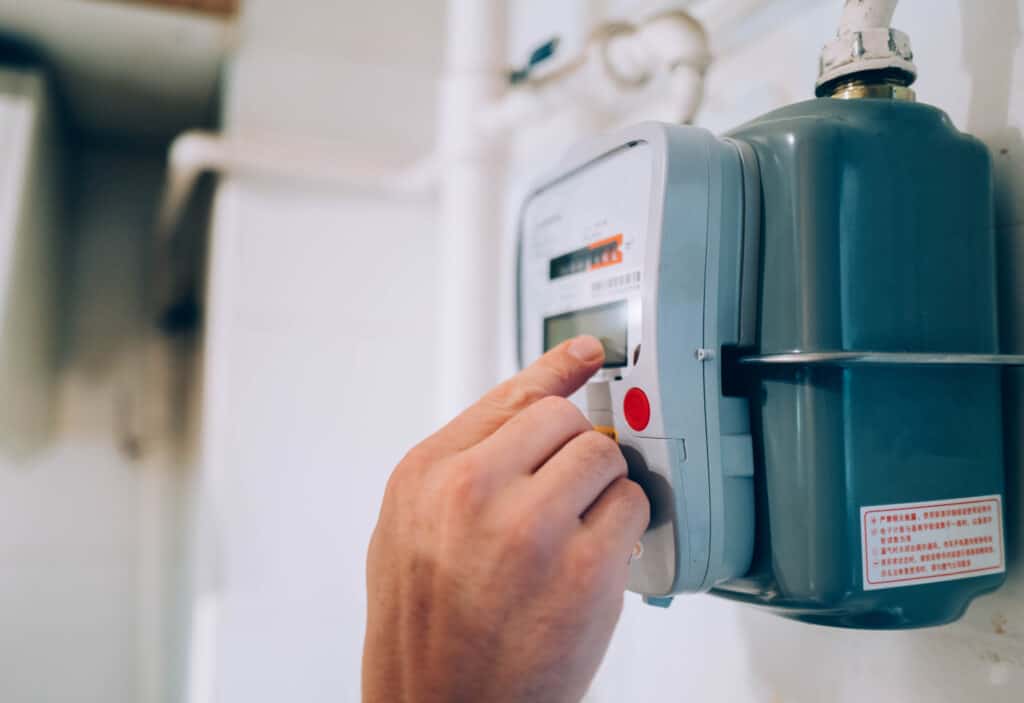
How do PPMs work?
• Customers are charged for electricity or gas on a pay-as-you-go basis
• Credit is used up as the customer heats the home or runs appliances
• There are currently around 4.5 million electricity and 3.5 million gas PPM customers
• Homes can sign up for PPMs, but they can also be mandated by suppliers
While the original aim was to control energy usage in a way that benefited both suppliers and their consumers, PPM installations facilitated by court-approved entry warrants contributed to an estimated 3.2 million consumers without energy in their homes last year2. Coupled with an unprecedented increase in energy bills and the cost-of-living crisis, millions of homes are falling into debt and are unable to keep the lights and heating on due to insufficient funds.
The long and the short of it

Ofgem launched a new Code of Practice in 2023, setting out protections for the most vulnerable and general standards for customers using PPM. Suppliers agreed to these voluntary standards and Ofgem has since voiced its intention to make these new rules a compulsory part of suppliers’ licence conditions3. However, do these noble intentions strike to the heart of the issue?
Legacy processes and systems used by suppliers across the UK do not provide adequate protections for vulnerable consumers who account for 68% of PPM users – over half of whom have additional health conditions or disabilities4. Despite laying a good foundation, Ofgem’s code could be viewed as a short-term solution to a long-term problem.
The clock is ticking. With involuntary PPMs expected to return this winter, energy companies are under increasing pressure to evolve their ways of working and overall approach to PPMs.
What sustainable measures should suppliers take to ensure that energy bills are paid, while protecting the best interests of their customer base and also their brand reputation?
Trends in the Energy & Utilities sector
Working closely with our clients in the Energy & Utilities sector, we witness first-hand how the industry is adapting and transforming every day. Here are some key trends we see impacting organisations:

Think customer first
We believe that a customer-centred approach will help energy providers to work collaboratively with their consumers to deliver improved journeys that meet regulations and minimise the frequency of bad headlines.
Ofgem’s Code identifies key customer personas to ensure that those who are most in need are adequately protected. By adhering to these expectations (alongside the existing and evolving licence conditions), suppliers opt in to uphold a standard that ensures protections for consumers.
This goes beyond PPM. In all, more than a quarter (29%) of energy customers are in debt to their providers, with 70% of those from lower income households feeling anxiety for the winter ahead5. Ofgem’s expectations and policies cover all customers, throughout their entire relationship with suppliers. They are not reserved for forced PPM installation, which are often the last resort to cap debt.
Therefore, journey mapping to determine pain and failure points can help suppliers to identify potential problems early on and employ preventative measures. In doing so, suppliers can deliver tailored experiences and improved customer journeys that put the needs of the consumer first, whilst cutting operational costs.
Bridging the gap of discontent
Statistics in Q4 2022 show that 43% of consumers are dissatisfied with current customer service infrastructures due to difficulty contacting their supplier6. Consumers have reported difficulty in resolving queries amid concerns that suppliers do not listen to their needs7. With the little interaction that they do have, customers are often met with lengthy queues over the phone and redirected to several agents during their call. No surprise perhaps that overall customer satisfaction with energy suppliers is currently amongst the worst ever seen since tracking by Ofgem began in 20188.
Suppliers should review communications methods and touchpoints to ensure information is readily available and so deliver more personalised customer journeys. Giving the customer a voice will help to eliminate their pain points. This means cutting down wait times at call centres, responding quicker to emails and taking advantage of digital tools and online chat facilities to enable more efficient ways of working.
In addition to adhering to the Code of Practice, re-evaluation of debit management and encouraging energy efficiency would go a long way to support consumers to reduce their consumption and slash their bills.A recent study into the barriers faced by vulnerable citizens accessing cost-of-living support found a worrying level of distrust felt by those in need9.
This resulted in consumers cancelling direct debits due to billing discrepancies that had a knock-on effect on their finances. A study by Which? also showed that 76% of individuals struggle to understand the information presented in their energy bills leading to stress, anxiety, and distrust in their energy provider10.
Providing money saving tips, awareness of off-peak energy utilisation and energy saving products encourages consumers to take practical steps towards lower energy consumption and enables behavioural changes. Energy companies can also go the extra mile by raising awareness of home insulation techniques and of any financial aid customers may be entitled to receive.
Becoming more fit for the future
These issues aren’t going to go away, so there are potential competitive advantages to energy suppliers that adopt a forward-looking mindset. The most proactive will innovate service offerings to effectively deliver on the evolving expectations of energy consumers. This starts with optimised digital experience offerings to provide multiple channels for customers. Self-serve digital experiences in addition to virtual and human customer service agents not only build journeys suited to each customer persona, but they also decrease operational costs.
Coupled with technological improvements to smart and remote metering, energy suppliers can offer up a more efficient and faster service with a view to making home visits the exception. This strategic approach extends across front and back-end operations to modernise data management, boost customer and employee satisfaction, save time, and cut costs.

Summary
The flair-up around involuntary PPMs is a symptom of a deeper concern within energy supply. A more customer-centric approach is crucial for mapping memorable end-to-end customer journeys and inform valuable organisational changes. To get started, suppliers should focus their attention on the following:
• Adopting a customer centric mindset
Delivering valuable services and building long-term relationships by putting the customer and their needs first.
• Equipping frontline staff
Reviewing communications and touchpoints to improve customer journeys.
• Collaborative future designs
Optimising processes with the help of technology to ensure ways of working are fit for the future.
At Moorhouse, our Experience Design approach can help you identify and eliminate customer pain points and put customer centricity at the heart of your processes. Get in touch for more information on how Experience Design can benefit your business.
References
1. House of Commons Library, December 2022, Self-Disconnection of pre-payment meters
4. Household Consumer Perceptions of the Energy Market, 2023, P.14 https://www.ofgem.gov.uk/sites/default/files/2023-05/Consumer%20Perceptions%20of%20Energy%20Markets%20Q4%202022.pdf
5. YouGov (via Warm This Winter), March 2023, Rising energy debt creates mental health crisis for households
6. Household Consumer Perceptions of the Energy Market, 2023, P.14 https://www.ofgem.gov.uk/sites/default/files/2023-05/Consumer%20Perceptions%20of%20Energy%20Markets%20Q4%202022.pdf
7. Household Consumer Perceptions of the Energy Market, 2023, P.14 https://www.ofgem.gov.uk/sites/default/files/2023-05/Consumer%20Perceptions%20of%20Energy%20Markets%20Q4%202022.pdf
9. Fair By Design blog, May 2023, A reduction in energy bills is welcome but low-income consumers’ distrust in the energy market remains the biggest challenge
10. Which?, May 2023, Talking energy: Identifying the principles for clear customer communications
We’re always here to help
