DATE
Ramadan at Moorhouse: What it means to our colleagues
This month, our muslim colleagues are celebrating Ramadan. Ramadan is a time of spiritual reflection, devotion, and community, and we want to show our support and respect for our Muslim colleagues during this time.
With fasting underway, we asked some of our colleagues what Ramadan means to them and how they will be marking the occasion this year.

Daniaal Choudhury
“Not even water?” – Yes, not even water. During the month of Ramadan, I will be joining Muslims around the world to fast from sunrise to sunset. This means that we will be abstaining from food and water during daylight hours. Aside from fasting, we are encouraged to increase our spiritual devotional acts through prayer, giving to charity and strengthening our relationships with others. This is a month for us to become closer to our religion and to ignite a sense of gratitude, self-discipline and self-improvement, traits which we are encouraged to maintain throughout the year. Ramadan Mubarak everyone!”

Saira Mirza
“Ramadan is a time of sacrifice, peacefulness, and reflection. I see it as an opportunity to grow spiritually and feel closer to Islam. It takes discipline and willpower to get through the long days with the absence of food and water as well as a broken sleeping pattern, but is a great month to focus, pray, be charitable, connect with family and feel a sense of accomplishment. In more recent years, I have truly appreciated being able to break my fast with family and loved ones, sharing meals, and celebrating Eid together as this was challenging during COVID. I love to cook, so this year I look forward to hosting Iftar (breaking fast after sunset) for family and friends in our new home, and never taking daytime snacking for granted!”
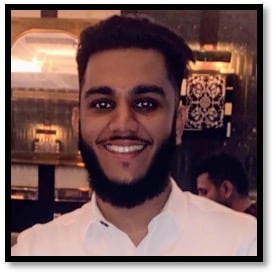
Zakir Hussain
“Ramadan is a very special month for Muslims around the world. It is a time when we have to fast, which includes no eating, drinking, smoking, or vaping, music/TV, and other things. This always means it’s quite hard for us, especially at the beginning, to get used to the lack of water/coffee and other things we rely on so heavily on a daily basis. We have to refrain from these things from sunrise to sunset and once its sunset we have iftaar (the meal to break your fast for the day), which is usually spent with your close family and friends.
Once Ramadan is finished, usually lasting around 30 days, you celebrate Eid which is a time you get together with all your loved ones and enjoy some food! For me, I always find Ramadan to be a time I am quite calm and relaxed. I think being away from the sugar and caffeine really helps as it keeps my mind quite clear, funnily enough. I also find I have a lot more time on my hands, I spend it trying to see people I often wouldn’t usually. I spend more time listening to podcasts or lectures to increase my knowledge on my religion and ultimately try spending more time to get closer to my religion. Every Ramadan, I have tried to carry something over once it is finished, it helps me reflect on where I am and helps me grow and improve as a person.
Ramadan is also a time for me where I try being more charitable and helpful to those less fortunate. Whether that be helping and supporting campaigns like “Cakes for Syria” or just donating money to charity. When you’re staying away from food, water, and other “luxuries”, it really makes you stop and think how others live around you. It doesn’t even have to be a third world country or war torn, even in your own area or home, we have a lovely saying that “charity always starts at home”, so going out of your way to help your family/friends can be really beneficial. ”

Rebecca Farooq
“Ramadan Kareem everyone! This is my experience of Ramadan and why it matters to me:
- Faith: Connects me to others in the faith going through the same experience across the world. The sense that literally millions of others are facing the same daily challenges helps me to persevere and avoid temptation.
- Gratitude: Makes me feel very humble and grateful for having access to fresh, clean water and food whenever I want or need it
- Connection: Brings together family and community – we always make an effort to get together with our family and our Muslim neighbours to sit down and enjoy Iftar together
- Self-restraint and kindness: Remind me to consider my behaviours, and in particular check myself around unkind words or actions.
- Mindful eating: We make an effort to enjoy making and consuming home-cooked meals, exploring traditional Pakistani dishes.
- Thankfulness: I appreciate how my body can do lots of marvellous things. Right now, its fasting, for my previous two Ramadan I was pregnant and then nursing. I am very blessed to be healthy enough to do these things.”
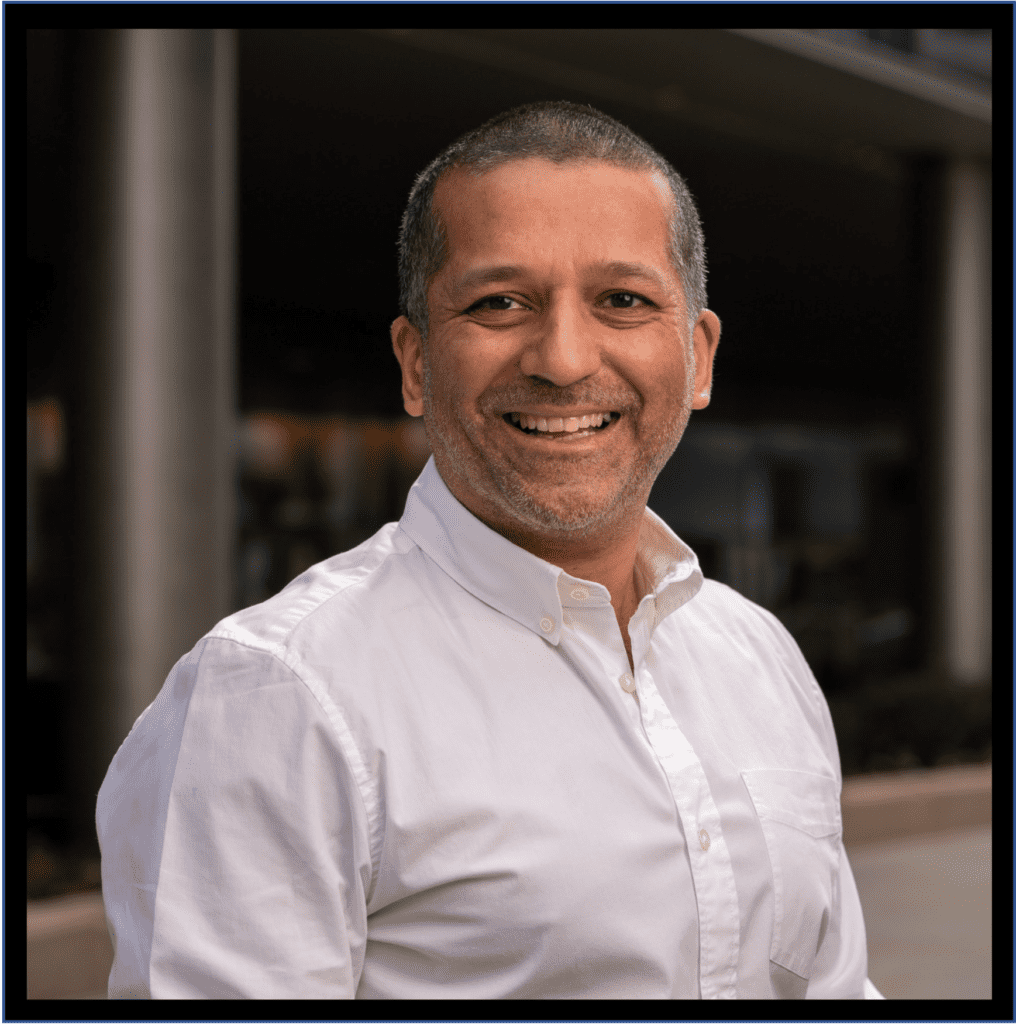
Saleem Ahmed
“The month of Ramadan is one of spiritual remembrance, a practice of self-discipline, an opportunity to be charitable to others and a hard-hitting reminder of how fortunate I am.
One of the teachings I try to keep in mind is Prophet Muhammad (pbuh) said “it may be that a faster gets nothing but thirst and hunger from his fast”, which to me means it’s pointless to just fast – to feel hungry – and not to reflect on one’s own moral agency.
Having empathy with those who have less – particularly by pure chance of birth – is a vital part of my Ramadan; and walking in their shoes, just for a bit, through practicing the abstinence of food and other desires helps me with patience and humility. And in this context, it is also really important to get on with your day, and not just sulk away; because those who are deprived don’t have the choice to just sleep in all day. Post Ramadan, I then feel really blessed that for the other 11 months of the year I can simply walk downstairs, put the kettle on, and have a cup of tea.
Oh yeah, it is also the one month where we all do prepare the evening meal together and eat together (@Iftar) rather than the usual of doing our own thing and staring at an iPad!”
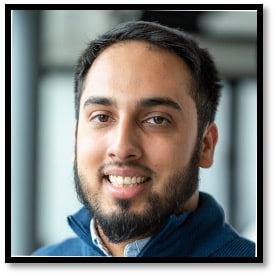
Khaleel Mirza
“Ramadan for me is a month of self-reflection and spiritual growth, where I am reminded to control my desires and increase my consciousness of God. Fasting is a major aspect of Ramadan, but it’s not just about abstaining from food and drink. It’s about training ourselves to resist temptation and to develop the discipline to avoid negative actions while increasing positive ones.
Giving charity is a huge part of Ramadan. As Muslims, we are obligated to donate 2.5% of our savings (Zakat) every year to those in need. Many of us choose to do this during Ramadan, and we also give to other causes during this holy month. It’s a time when I feel especially connected to my community, as we all strive to help those less fortunate.
Although Ramadan can be challenging, the rewards are immeasurable. It’s a time to experience a sense of community, spiritual growth, and personal satisfaction in improving oneself. The goal is not to maintain the same level of actions after Ramadan ends, but to come out of the month better than before.”